

Contribute to Atlas Engine
Help us push real-time rendering forward—share your expertise, learn with others, and build the future of Atlas.
Why contribute?
Atlas thrives on community-driven engineering. Every pull request sharpens our renderer, expands documentation, and keeps the project accessible to studios and hobbyists alike. Contributing means learning cutting-edge graphics techniques, collaborating with a passionate crew, and shaping an open engine that powers ambitious worlds.
Start small with documentation or tooling fixes, or dive into the rendering pipeline—either way your input keeps Atlas healthy, welcoming, and production-ready.
Expectations & values
- Respectful collaboration: communicate clearly, assume positive intent, and celebrate shared wins.
- Sustainable code: prioritize readability, testing, and performance over quick hacks.
- Inclusive onboarding: document your learnings and mentor newcomers where you can.
These principles keep Atlas a healthy environment for long-term innovation.
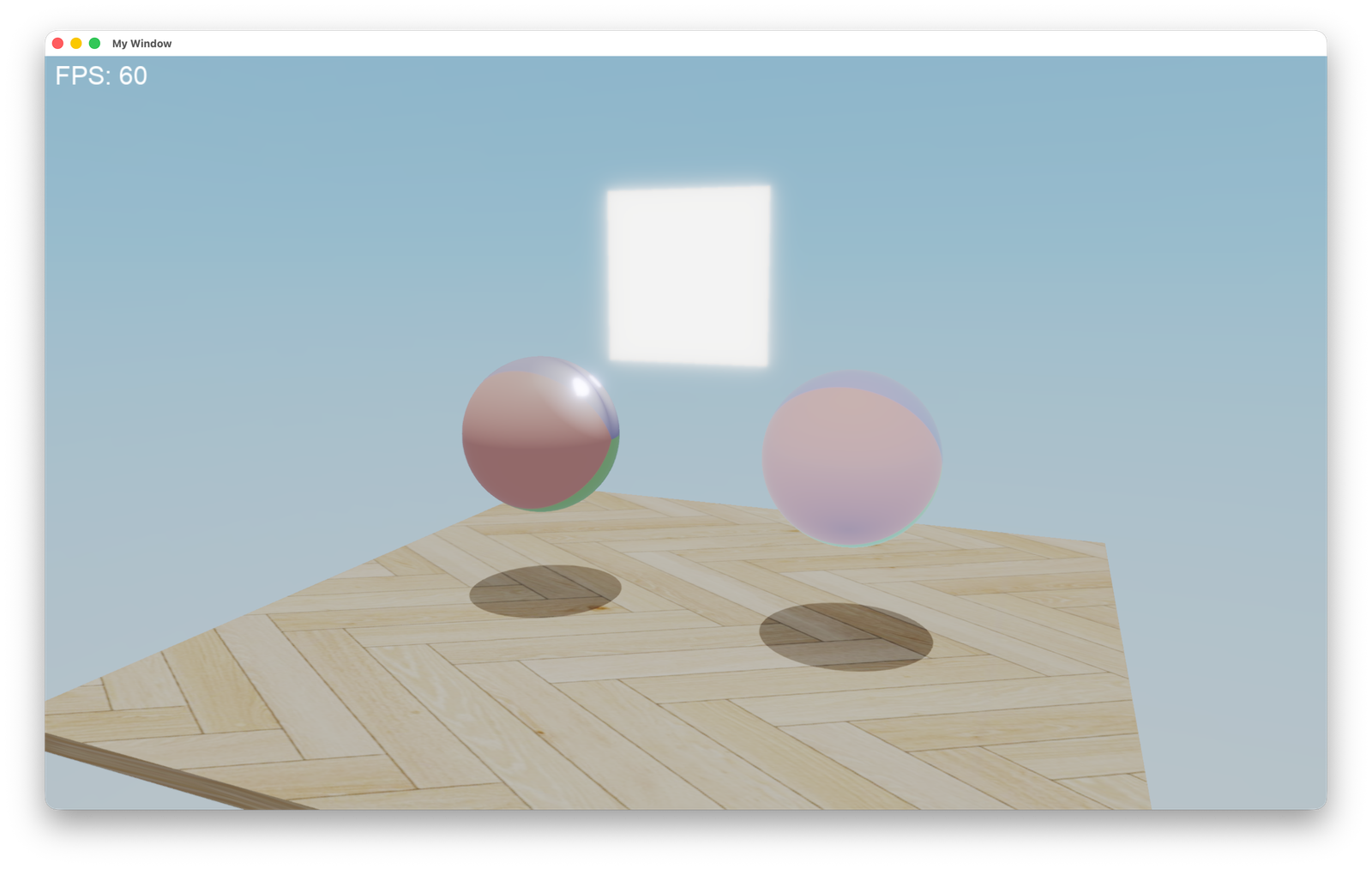
Engine Core & Rendering
Optimize Opal, extend Vulkan features, and keep our renderer blazing fast across platforms.
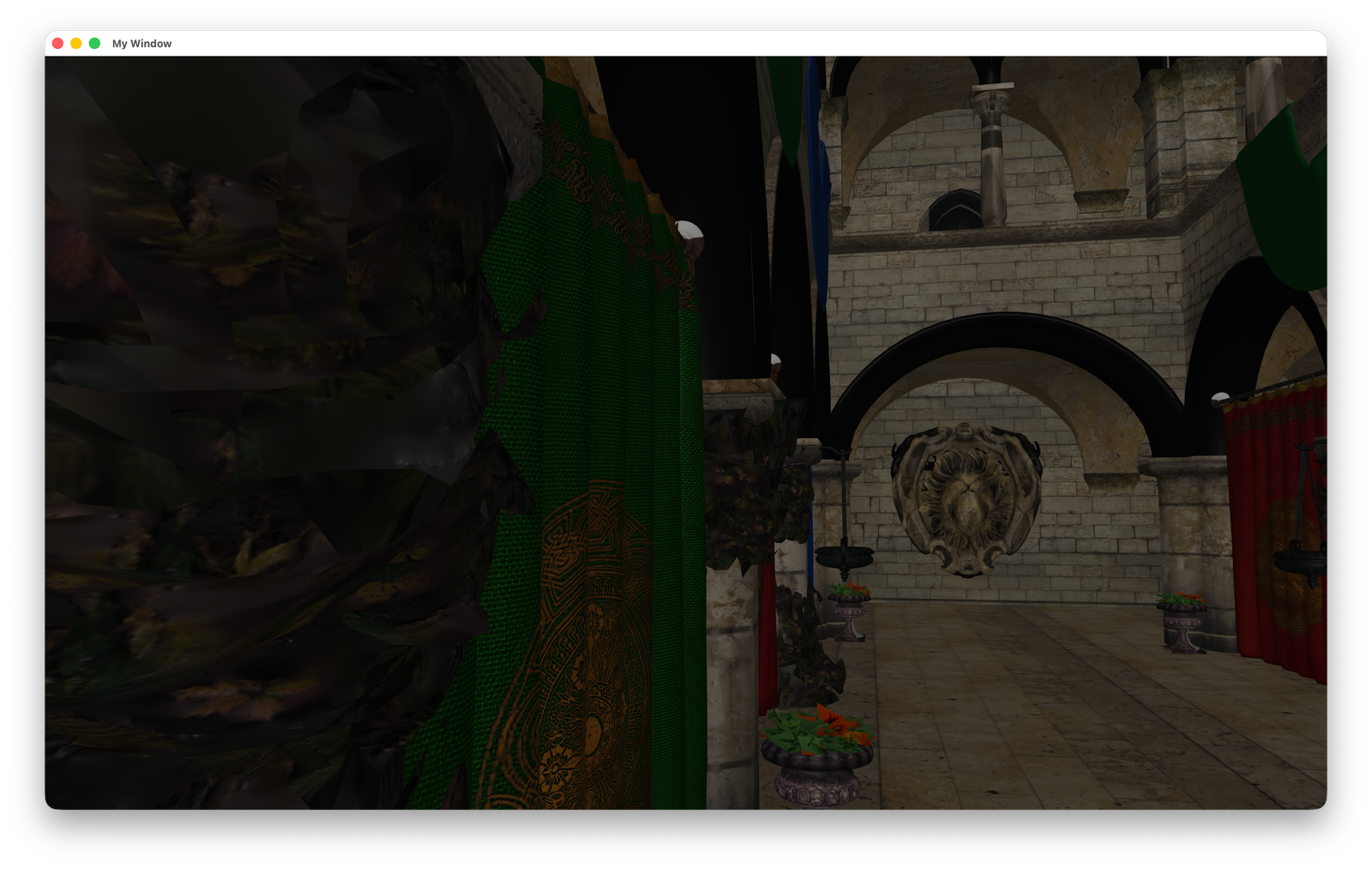
Other Libraries
Contribute to other libraries such as Bezel, Opal or Finewave that complement Atlas Engine.
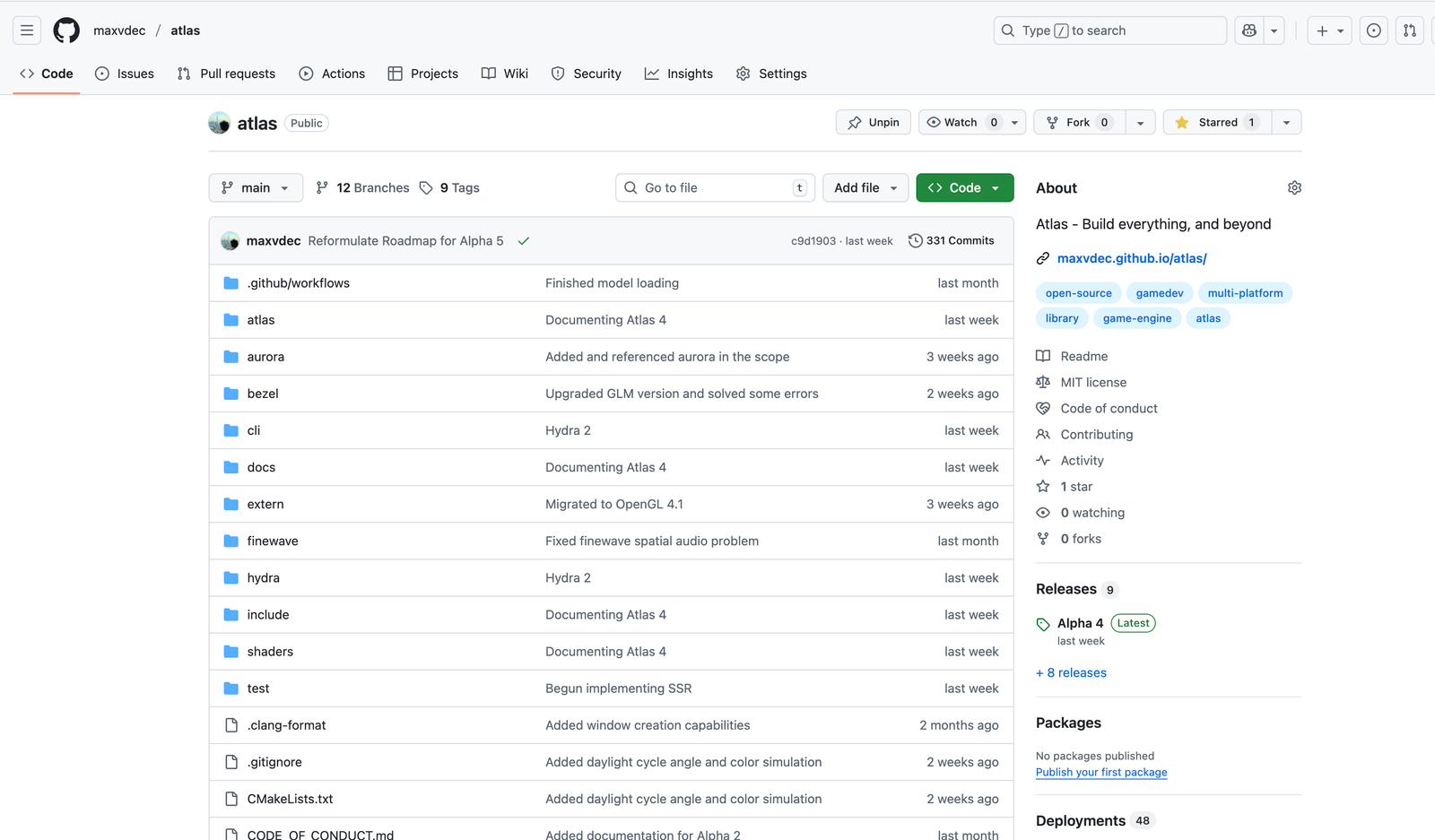
Docs & Learning
Shape guides, tutorials, and references that make Atlas approachable for every developer.
Contribution workflow
Step 1
Discover
Browse open issues labeled good-first-issue or roadmap items tagged for contributors.
Step 2
Discuss
Open a discussion or comment on the issue to align on scope and gather context before coding.
Step 3
Develop
Fork the repository, create a feature branch, and follow our formatting, testing, and commit rules.
Step 4
Deliver
Submit a pull request, add notes about testing, and stay available for code review conversations.
Quality checklist
- Run the relevant engine samples or unit tests before submitting.
- Document new APIs, configuration flags, or shader parameters.
- Include screenshots or recordings when work affects visuals or UI.
- Keep commits scoped and reference the issue or roadmap item.
- Tag reviewers based on the subsystem touched (rendering, physics, tooling, docs).
Following these steps streamlines reviews and keeps our release cadence predictable.
Stay connected
Collaboration does not stop at pull requests. Join the conversation, ask questions, and share progress so we can support each other in real time.
Discord Community
Join live chats with engine maintainers, find pair-programming partners, and take part in office hours.
Join Discord →GitHub Discussions
Propose ideas, share prototypes, and request feedback from the broader Atlas community.
Start a thread →Atlas Blog
Publish deep dives or post-mortems about your contributions so others can learn from your work.
Pitch an article →Ready to ship your first contribution?
Pick an issue, sync with the team, and open a draft PR. We will guide you through testing and release so your work reaches Atlas users quickly.